
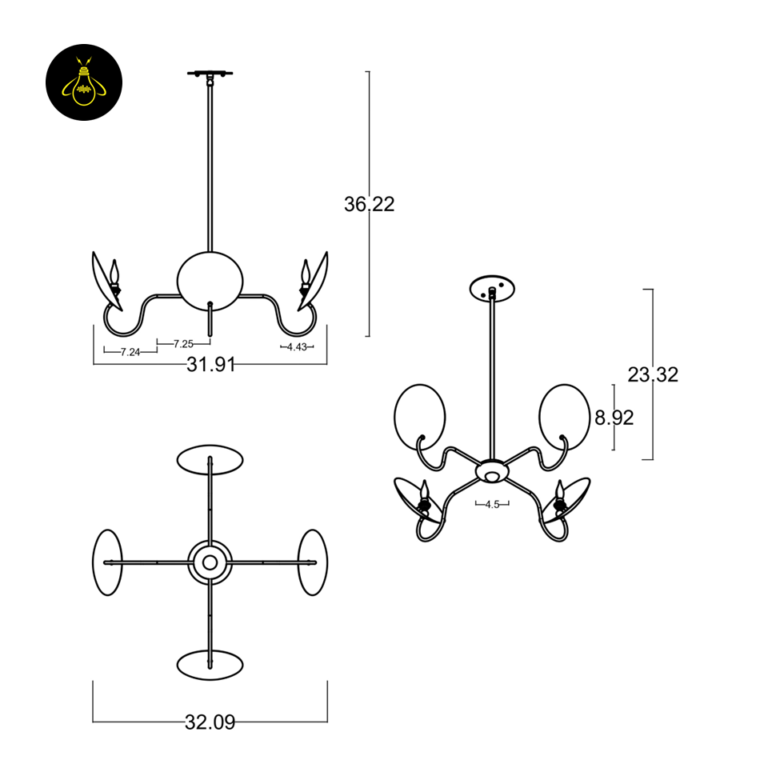
An eco-friendly chandelier is not just a chandelier made from wood or one fitted with LED bulbs. Sustainability in lighting is more practical than that. A genuinely responsible chandelier usually combines several decisions: lower operating energy, longer service life, material restraint, repairability, and finishes or manufacturing methods that do not create unnecessary waste.
This matters because decorative lighting often gets judged only by style. But if a chandelier is difficult to maintain, wasteful to operate, impossible to repair, or built from poor materials that fail early, it is not truly sustainable no matter how green the marketing sounds.
Key Takeaways
- An eco-friendly chandelier is judged by lifecycle, not just appearance.
- LED efficiency and long service life are major sustainability advantages.
- Durable materials and repairable construction matter as much as energy saving.
- Natural materials are not automatically sustainable if the fixture fails early or cannot be serviced.
- The best green choice is often a chandelier that lasts a long time and stays usable.
What Sustainability Means in Decorative Lighting
When people think about sustainable lighting, they often focus only on power consumption. That is important, but it is only one part of the story. Decorative lighting should also be evaluated through a simple lifecycle lens: how much energy it uses, how long it lasts, whether it can be repaired, whether the materials are durable, and whether the design will remain in use instead of being discarded quickly.
Why LEDs Matter So Much
LED technology changed the sustainability equation for chandeliers. The U.S. Department of Energy notes that LEDs can use far less energy than traditional incandescent lighting, and ENERGY STAR highlights longer life and lower heat as key benefits. In practice, that means lower operating energy, fewer replacements, reduced heat around decorative components, and more efficient long-hour use in homes and hospitality settings.
Materials: Better Questions to Ask
Material choice still matters, but the question should be deeper than ?is it natural?? Ask instead: is the material durable enough for long-term use, can the finish age well, is the structure strong enough to justify the material choice, and can parts be cleaned, repaired, or replaced?
Good sustainability often comes from durable metals, well-finished wood, responsibly used glass, and restrained detailing rather than from novelty materials alone.
Repairability Is a Sustainability Feature
One of the most overlooked green features in decorative lighting is repairability. A chandelier that allows driver access, lamp replacement, wiring service, or part replacement has a much better chance of staying in use for years. That is more sustainable than a sealed decorative piece that must be discarded when one small part fails.
Why Timeless Design Helps Sustainability
There is also a design argument. Chandeliers that age gracefully are less likely to be replaced for trend reasons alone. A well-proportioned fixture with durable materials and a clear lighting purpose can remain relevant much longer than a trend-driven chandelier that feels outdated after one season.
Green Claims to Treat Carefully
- Natural material does not automatically mean low-impact or durable.
- LED does not automatically mean the whole chandelier is sustainably designed.
- Handmade can be valuable, but it still needs structural quality and service logic.
- Luxury is not anti-sustainability if the fixture is built to last and responsibly specified.
How to Choose a More Responsible Chandelier
- Prefer efficient light sources and quality drivers.
- Choose durable materials over cheap visual imitation.
- Ask whether the fixture can be serviced or repaired.
- Look for designs that fit the room well and are likely to stay relevant.
- Be wary of decorative excess that adds waste without improving function or longevity.
Frequently Asked Questions
Is a wooden chandelier automatically eco-friendly?
No. Wood can be a good material choice, but the chandelier still needs durability, repairability, and responsible lighting performance to be genuinely sustainable.
Are LED chandeliers always the greenest option?
They usually improve energy performance substantially, but the whole fixture still matters. Service life, materials, and repairability are also part of sustainability.
What matters more: recycled materials or long lifespan?
Both matter, but long-term durability and continued use are often the stronger sustainability result in decorative lighting.
How can I avoid greenwashing when shopping for chandeliers?
Look beyond marketing adjectives. Ask about efficiency, service access, component quality, durability, and whether the fixture is built for long-term use.
Further Reading
Explore More
Explore Jagmag Lights’ chandelier collection and compare how long-life decorative lighting is used across our project archive.